ServicesSiding Installation
Siding Installation in Lake Lure
We take off the old siding, fix what is soft or wet underneath, wrap and flash the wall, then install new siding that keeps water out. You get a written estimate before we start and a plain answer on what your house really needs.
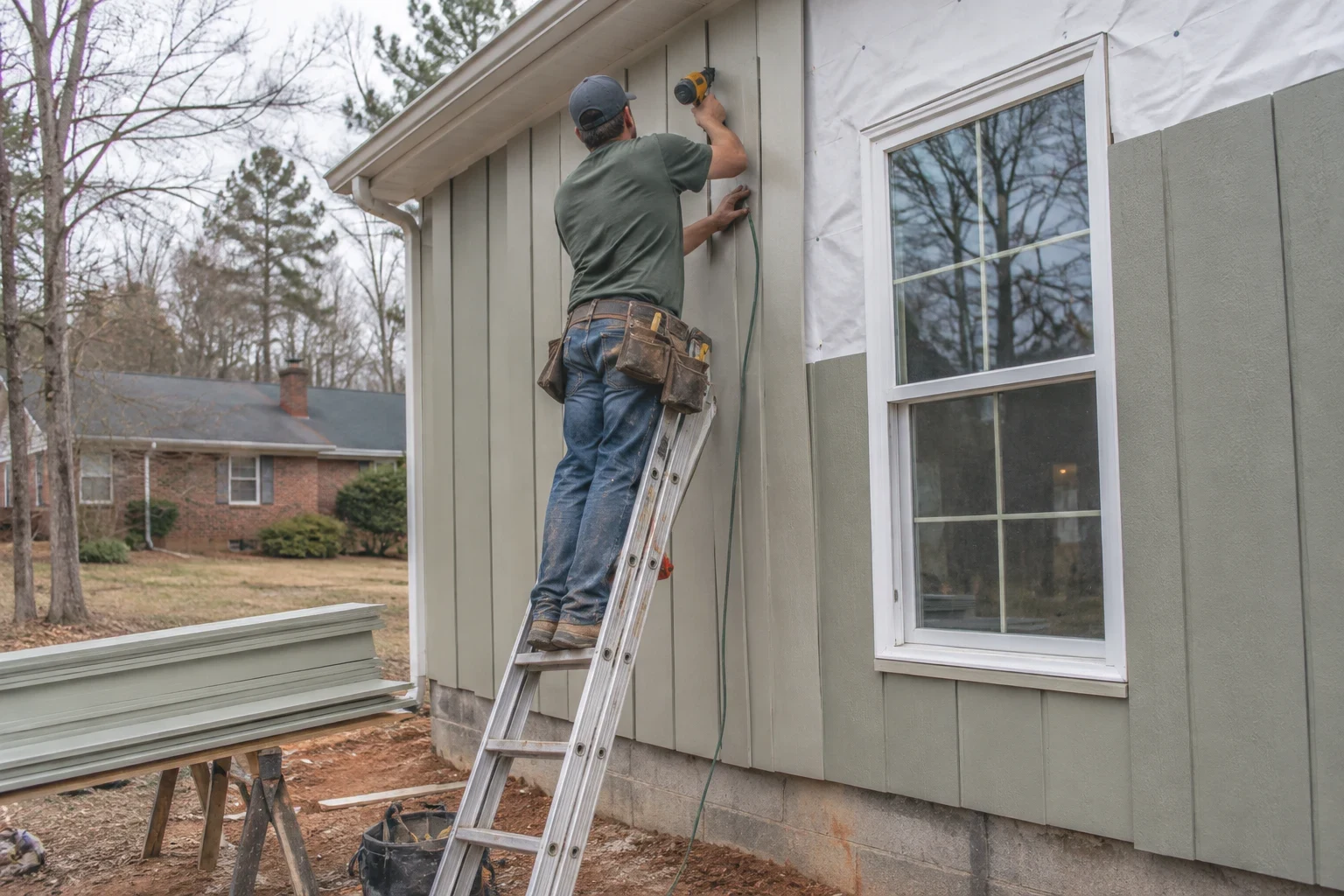
New siding is only as good as the wall behind it
Siding is the outer layer. Its job is to shed most of the rain and protect the house wrap and sheathing behind it. When siding fails, the real damage usually shows up in that hidden layer: rotted plywood, wet framing and stains inside the house.
That is why we do not just cover old problems. We strip the wall, look at what is there and fix it before anything new goes on. If only one side of the house is bad, we will tell you that too. Sometimes a repair makes more sense than a full replacement.
On wooded mountain lots, shade and humidity keep walls damp longer, so flashing, gaps and ventilation matter more. We build with that in mind. We are licensed in North Carolina and South Carolina, and we take siding jobs across Lake Lure and towns like Rutherfordton, Spindale and Hendersonville.
What a siding job includes
Tear-off and haul-away
We remove the old siding, trim and nails down to the sheathing. Debris goes in a dumpster or trailer, not your yard.
Sheathing and framing check
With the wall open, we probe for soft spots and check moisture. We photograph anything bad and show you before we replace it.
House wrap and flashing
New weather-resistive barrier goes on, lapped so water runs down and out. Windows, doors, decks and roof lines get proper flashing, which is where most leaks start.
Siding and trim install
We install fiber cement, vinyl or engineered wood, each fastened and gapped the way that product needs. Corners, soffits and trim are finished to match.
Cleanup
We run a magnet over the ground for nails and leave the site clean at the end of the job.
Signs your siding is due
Soft or swollen boards
Press on the bottom boards near the ground and under windows. If they give or flake, water has been getting in for a while.
Stains or peeling paint inside
Water marks on interior walls or around window trim often trace back to failed flashing behind the siding.
Gaps, cracks and loose pieces
Open seams and warped panels let wind-driven rain behind the wall. Once that starts, it gets worse each season.
Mold, mildew or moss that keeps coming back
Some growth on a shaded wall is normal. If it returns right after cleaning and the boards feel damp, the wall is staying wet.
Insect or woodpecker damage
Holes in wood siding can mean bees or bugs nesting inside. That is a sign the material has broken down.
Paint that will not hold
If you repaint wood siding every couple of years and it still peels, moisture is likely pushing through from behind.
How the work goes
- 1
Consultation and walk-around
We look at every wall, check the worst spots and talk through material options. You get a straight answer on repair versus full replacement.
- 2
Written estimate
You get a line-item estimate covering tear-off, materials, wrap, trim and a set allowance for sheathing repair. If your area requires a permit, we pull it.
- 3
Tear-off and repair
We work one section at a time so the house is not left open. Bad sheathing gets replaced and you see photos of what we found.
- 4
Wrap, flash and install
Wrap and flashing go on first, then siding and trim. We keep the work area tidy each day and keep driveways and walkways clear.
- 5
Final walk-through
We walk the house with you, fix anything you point out and clean up. Our workmanship carries a 1-year warranty.
What moves the price
Siding is priced by the wall area, the material and what we find behind the old boards. We will not quote a number over the phone without seeing the house. After the walk-around, you get a written estimate with each part broken out.
- Material choice
- Vinyl costs less up front. Fiber cement and engineered wood cost more but hold up better to impact and look closer to wood.
- Size and height
- More square footage means more material and labor. Tall walls and steep slopes need scaffolding or lifts, which adds time.
- Condition underneath
- Rotted sheathing or framing is the biggest unknown. We set an allowance in the estimate and show you photos before using it.
- Trim and details
- Lots of windows, corners, gables and bump-outs mean more cuts and flashing. A simple box shape goes faster.
- Access to the lot
- Narrow drives, steep yards and heavy tree cover make it harder to stage material and set ladders.
Siding questions we hear most
Something not covered here? (828) 528-4228
Can you put new siding over my old siding?
We usually do not. Covering old siding hides rot and leaves no way to install proper wrap and flashing. Tearing it off costs a bit more but lets us fix the wall and do it right.
Which siding material is best for my house?
It depends on budget, look and how much shade and moisture the walls get. Fiber cement handles damp and impact well. Vinyl is the lowest cost and needs little care. Engineered wood gives a wood look with less upkeep than real wood.
How long does a siding job take?
Most whole-house jobs take one to a few weeks depending on size, height and how much repair the wall needs. Rain can push the schedule, since we do not leave wrap or sheathing exposed in bad weather.
Do I need to be home while you work?
No. You can stay in the house, and most people do. It will be noisy during tear-off, so plan around that if you work from home.
What if you find rot behind the siding?
We stop, take photos and show you before we replace anything. The estimate already includes an allowance for repair, so you know how it will be handled ahead of time.
Can you match new siding on an addition?
Often, yes. If you are planning an addition or a remodel, we can side it with the same material and trim so it blends with the rest of the house.
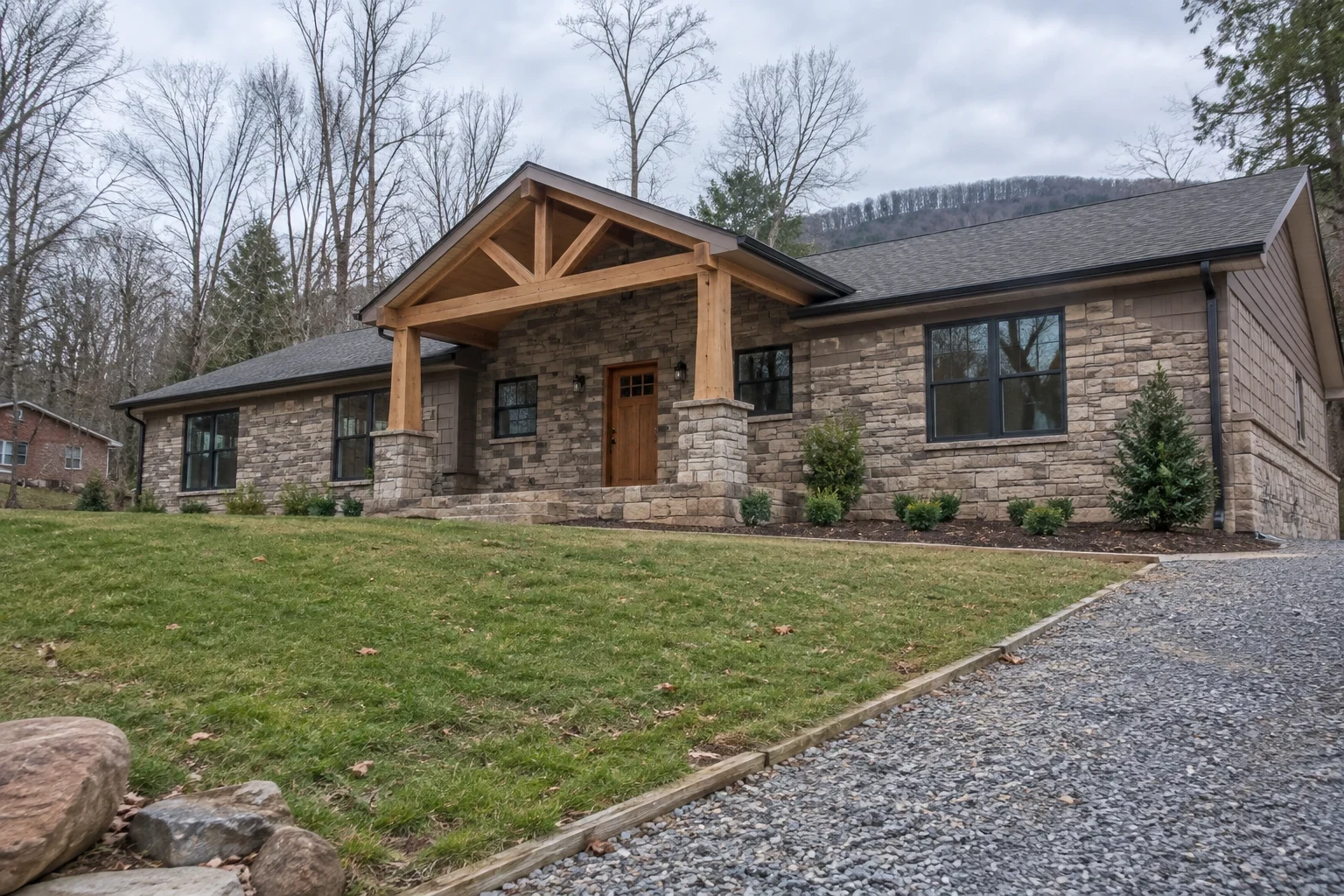
Find out what your walls need
We will walk the house, tell you what is going on behind the siding and give you options. No pressure, just a straight answer.